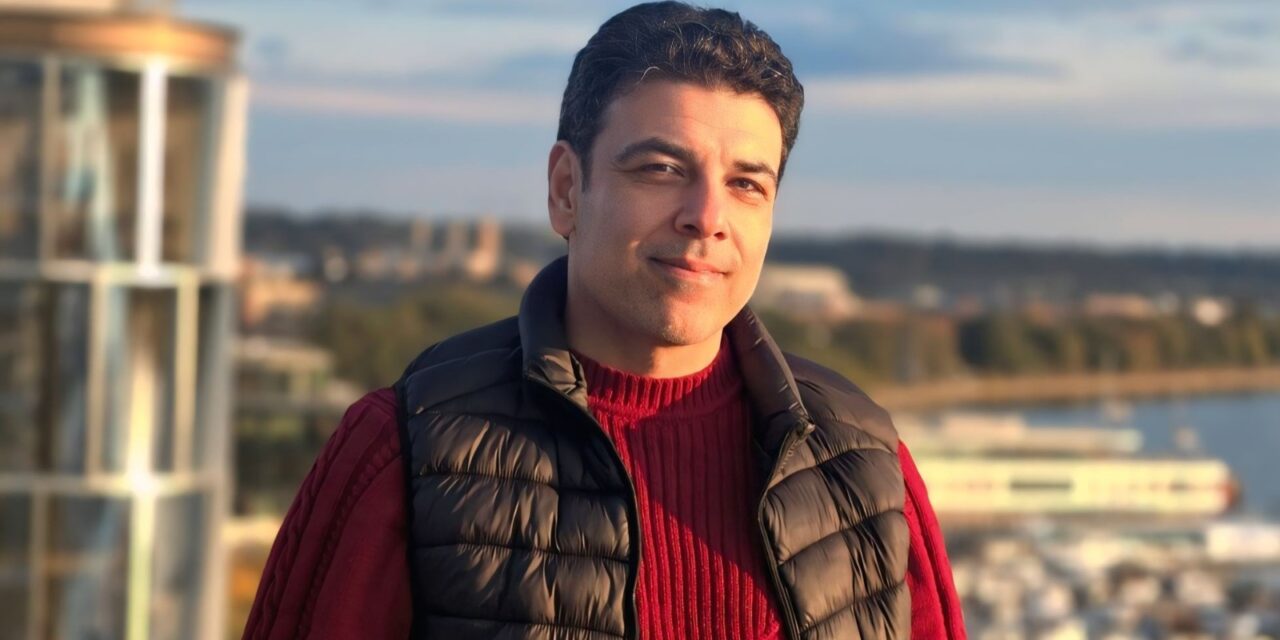
According to the SJA, the Department of Criminal Security detained and questioned Charbaji regarding a video he posted on his Facebook page five months ago. In the video, he said that “the generation that grew up in Idlib in a religious Sunni atmosphere, who view all others as enemies […] are in a crisis and need treatment.” Idlib is a Syrian province bordering Türkiye that was under the control of several factions opposing the regime until 2019, when the Islamist militant group Hayat Tahrir al-Sham (HTS) consolidated its power. HTS had controlled the region until the fall of the regime in 2024.
The lawsuit filed against the journalist claims that he exceeded “the limits of freedom of expression”, and requests that the Public Prosecutor initiate a public lawsuit against him, for crimes related to “defamation, slander, public content, and inciting sectarian strife”.
Charbaji claimed that his statement was taken out of context and that he did not commit any legal or moral wrongdoing.
The IFJ emphasizes that detaining journalists in pre-trial custody, without presenting public evidence and with no trial in sight, constitutes a serious violation of the law. Earlier this year, the Federation warned about the dangers of continuing to use laws enacted during the Assad regime that are designed to control the media and suppress press freedom.
IFJ General Secretary Anthony Bellanger said: “Since the fall of Bashar al-Assad, freedom of expression has become a tangible reality in Syria, and it must be preserved. We call on the country’s authorities to stop prosecuting journalists for their professional work and to safeguard freedom of expression. We welcome the release of our colleague Eiad Charbaji, who should never have been arrested, and we call on the authorities to drop all charges against him”.
In September 2025, IFJ General Secretary Anthony Bellanger led a fact-finding mission to Damascus to support the IFJ’s affiliates in the country: the Syrian Journalists Union (SJU) and the Syrian Journalists Association (SJA), who have been working together since the fall of the regime. As part of the mission, an agreement was reached to set up a committee led by SJU-SJA and including representatives of the private sector and public media as well as legal experts, to draft a national reform agenda for the media sector in Syria.
Bellanger added: “We urge the newly elected parliament to consider reforming Syria’s legal and regulatory environment an urgent priority. The IFJ and its affiliates, the SJU and the SJA, are ready to cooperate to promote free, professional and credible journalism that serves the Syrian people and the truth.”
For more information, please contact IFJ on +32 2 235 22 16
The IFJ represents more than 600,000 journalists in 146 countries